
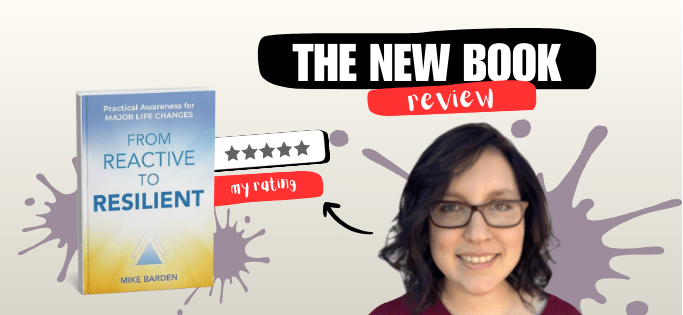
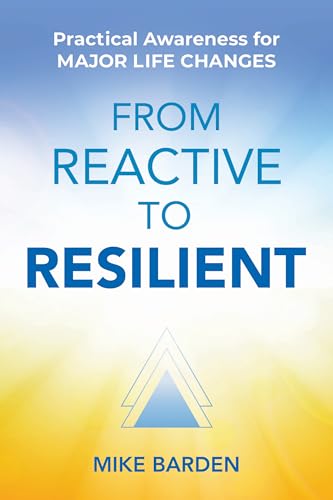
This self-help book centers on a simple but powerful premise: building emotional resilience by learning how to face life’s challenges with greater calm, awareness, and intention. Rather than offering quick fixes or rigid rules, the author invites readers into a practical framework for understanding their inner experience, particularly during moments of stress, uncertainty, or emotional overwhelm. The book unfolds as a guided exploration of how we relate to our thoughts, feelings, and reactions, emphasizing that resilience is not about avoiding difficulty, but about learning how to meet it differently.
author’s perspective & credibility
What makes this book especially credible is the way the author grounds the C.A.L.M. method in his own lived experience. Instead of presenting calm as an abstract ideal, he uses personal examples to show how the practice can be interpreted and applied in real-life situations. The method is introduced thoughtfully through clear chapter breakdowns, supported by practical exercises and easy-to-follow charts that encourage deeper reflection. By acknowledging how difficult it can be to stay present—rather than oversimplifying the process—the author creates a sense of trust and realism that makes the work feel both accessible and meaningful.
narrative style & structure
The book is well written, with a narrative style that feels both intentional and approachable. Each concept is introduced with care, allowing the reader time and space to reflect before moving into practice. The structure feels purposeful, guiding the reader through context and application in a way that encourages understanding rather than overwhelm. The exercises ask for deep and honest reflection, yet remain clear and concise in what they are advocating, creating a balance that feels supportive rather than demanding.
emotional impact & strength
The emotional strength of this book lies in how deeply it resonates with everyday, real-life concerns. As someone who often carries worries about being a good parent, feeling valued at work, and managing financial uncertainty, I found the practices both validating and grounding. Rather than dismissing these fears, the author acknowledges how persistent and convincing they can feel—especially during stressful moments or late at night when thoughts tend to spiral.
What makes the book especially impactful is how it gently shifts the reader’s relationship with those thoughts. Through the C.A.L.M. method and reflective exercises, I began to see my worries less as facts that demanded immediate reaction and more as temporary visitors that could be noticed without being obeyed. This reframing created space—to pause, breathe, and choose a more responsive way forward. Even when the challenges themselves remain, the way they are experienced begins to change. That quiet shift, away from reactivity and toward steadiness, is where this book makes its most meaningful impact.
final thoughts
The research supporting the concepts, along with the detailed book notes, adds a strong layer of depth and credibility. I especially appreciated the sections that clearly explain how these practices can be carried forward to help move into a more resilient state, making the material feel applicable well beyond the final chapter. For readers seeking a grounded, mindful way to strengthen emotional resilience and respond to challenges with intention, this book is a meaningful and impactful read.
I received a copy of this book through Reedsy Discovery in exchange for an honest review. This did not influence my opinions or reflections shared above. I give this book five stars and look forward to completing the recommended practices in the final section for continued growth and reflection.


 Turning Another Page
Leave a comment