
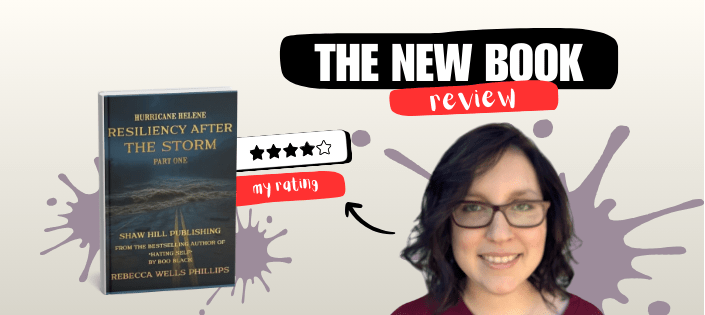
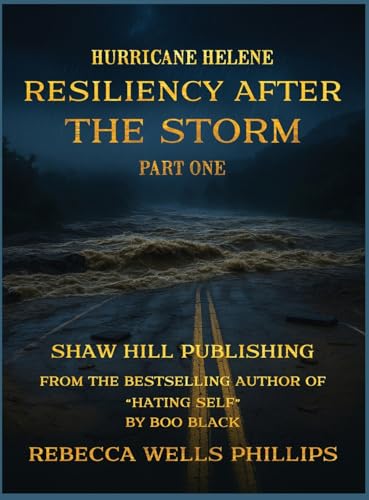
Hurricane Helene: Resiliency After the Storm – Part One is a sobering and deeply human account of devastation in a region of the United States that never believed it would be impacted so severely. Western North Carolina, often viewed as naturally protected by its mountainous terrain, found itself facing destruction on a scale few residents or officials anticipated.
Initially described as a tropical storm expected to make landfall as a hurricane, Helene rapidly intensified. As the storm grew, it became clear that early characterizations failed to fully capture the magnitude of what was coming. Whether through understatement or the limits of forecasting, the warnings did not reflect the level of destruction Helene would ultimately bring to this region.
Part One focuses on the immediate impact: the shock, loss, and disruption experienced by communities unaccustomed to disasters of this scale. Through firsthand accounts and careful documentation, the book captures not only the physical damage left behind, but also the emotional weight carried by those living through it. This opening installment sets the stage for a broader conversation about preparedness, communication, and resilience in places that believe they are “safe.”
Content Warning / Reader Advisory
This book includes photographs and firsthand descriptions of death and loss resulting from Hurricane Helene. Some readers may find these images and accounts emotionally difficult.
author’s perspective & credibility
The author is transparent about her motivation for writing Hurricane Helene: Resiliency After the Storm. She presents the book as a personal contribution to recovery efforts, acknowledging that while some individuals were able to provide hands-on assistance in the aftermath, her role was to document the storm and its impact. Through this work, she ensures that the lives lost and the experiences endured are not forgotten, and proceeds from book sales are directed toward restoration and relief efforts for communities in urgent need of financial support.
Much of the narrative draws on firsthand accounts and experiences of others, which reinforces the author’s credibility. At the same time, personal reflections and emotional responses are interwoven throughout the story. While these passages convey genuine empathy and dedication, they occasionally blur the line between objective recounting and subjective interpretation, and some details may reflect the author’s emotional connection more than strict factual accuracy. Nevertheless, these nuances highlight the author’s deep investment in the subject and her commitment to honoring those affected, without diminishing the sincerity and impact of the work.
narrative style & structure
The story flows effortlessly, particularly when presenting multiple perspectives from those willing to share their experiences. The author’s approach allows the voices of the affected communities to come through, creating a vivid and relatable account of the storm’s impact.
The narrative is straightforward and well-organized, providing a meaningful recap of the events leading up to, during, and after Hurricane Helene struck. Coverage spans several counties in Western North Carolina, with references to other states also affected by the storm, giving readers a broader understanding of the hurricane’s regional impact. This structure ensures that the story remains engaging and accessible, even as it addresses complex and often devastating events.
emotional impact & strength
The emotional weight of this report is immediately evident through its recounting of lives lost—including people, pets, homes, and aspects of nature, and the disruption felt across communities. The narrative evokes a wide range of emotions, particularly a profound sense of understanding that resonated with me as a survivor of Hurricane Katrina. Like Hurricane Helene, Katrina struck unpredictably, and no one could have been fully prepared for the devastation.
The book emphasizes the human complexity in disaster situations: even when individuals evacuate, they may still face loss, and many cannot leave due to financial or logistical constraints, including those experiencing homelessness or incapacitating illness. The author conveys the emotional, social, and practical challenges faced by survivors, illustrating both the fragility and resilience of communities. This perspective helps readers move beyond judgment or “what ifs” toward a more empathetic understanding of the realities of natural disasters.
Central themes include resilience, community response, and the value of remembering and supporting those affected. The narrative highlights the importance of empathy, preparedness, and practical assistance, while documenting experiences that ensure the impact of the storm, and the stories of those affected, are not forgotten. Ultimately, the book leaves readers with a sober awareness of nature’s power and a deep appreciation for human endurance and solidarity.
final thoughts
There are very few limitations that stood out upon reading. The pacing is steady, allowing the narrative to unfold naturally without rushing through critical details, and the story remains true to its intended audience. The author balances factual recounting with emotional resonance, ensuring that readers can engage with the material meaningfully while still understanding the real-world impact of the hurricane.
I received a copy of this book from Reedsy Discovery in exchange for my honest opinion. I rate Hurricane Helene: Resiliency After the Storm – Part One four stars, as it is a story from which many readers would greatly benefit. No one truly understands the scope of a natural disaster unless they have experienced it firsthand, but empathy can grow when reading detailed accounts from those directly affected. The firsthand perspectives shared in this book provide that opportunity, making the reader more aware of the human, emotional, and practical consequences of such events.
This book is particularly suited for readers interested in learning about regional history, human resilience, or preparing for natural disasters. It will resonate with anyone who appreciates nonfiction combining firsthand accounts, multiple perspectives, and personal storytelling. Overall, the book succeeds in documenting a devastating event with clarity, empathy, and purpose, leaving readers with insight, a sense of connection, and a lasting appreciation for the resilience of affected communities.


 Turning Another Page
Leave a comment