

Not every book earns five stars. When I do give a perfect rating, it means the book hit all the right notes — emotionally, technically, and thematically. I read across genres, so my expectations vary depending on the style, but the following elements are consistent markers of excellence for me:
Concept & Creativity
I look for books that are inventive, fresh, or willing to explore themes in an unexpected way. Whether it’s a genre-bending plot or a character study with depth, creativity is always a standout.
- Unique premise or twist on a familiar theme
- Strong authorial voice and originality
- Clear alignment with the intended target audience
Here are a few books that stood out to me for their originality:


The Blackfish Prophecy by Rachel Clark
This story blends eco-activism with a coming-of-age journey in a way that feels deeply relevant and imaginative. The combination of marine conservation, telepathic whales, and environmental mystery makes it a unique and meaningful read that defies traditional YA storytelling formulas.
Death of the Mad Hatter by Sarah J. Pepper
A dark, twisted reimagining of Alice in Wonderland that weaves fantasy, romance, and madness together with a lyrical writing style. It takes a well-known world and reinvents it into something haunting and emotionally charged, keeping you questioning what’s real and what’s illusion.
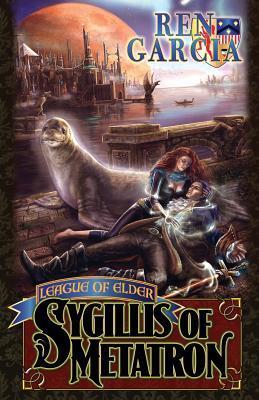
Sygillis of Metatron by Ren Garcia
Set in a richly imagined sci-fi universe filled with dark magic, ancient technologies, and arcane orders, this book stands out for its expansive worldbuilding and genre fusion. Garcia blends space opera with gothic fantasy, crafting a story that feels both epic and personal — and wholly original.
Credibility & Emotional Depth
Even the most fantastical stories need emotional truths. A 5-star read connects with me on a human level — through relatable fears, complicated relationships, or ethical dilemmas.
- Authentic characters with clear motivations
- Believable world-building or settings
- Emotional impact: Did I feel joy, sadness, dread, or something in between?
Here are a few standout examples that delivered:


- Authentic characters with clear motivations
Girl Behind the Veil by Jalpa Williby
The main character’s journey is shaped by trauma, strength, and a desire to reclaim her sense of self. Her choices — even the conflicted or painful ones — feel grounded in her personal history. Williby doesn’t shy away from hard questions, and that makes the character arc feel raw and honest. - Believable world-building or settings
War Torn: Stories of Courage, Love, and Resilience by Kenneth Miller
This nonfiction collection transports readers into the lives of refugees and trauma survivors with stark clarity. Every detail — from the environment to cultural nuance — is portrayed with compassion and precision, making the settings feel not only real but lived-in. The world-building here isn’t fictional, but it’s deeply immersive. - Emotional impact: Did I feel joy, sadness, dread, or something in between?
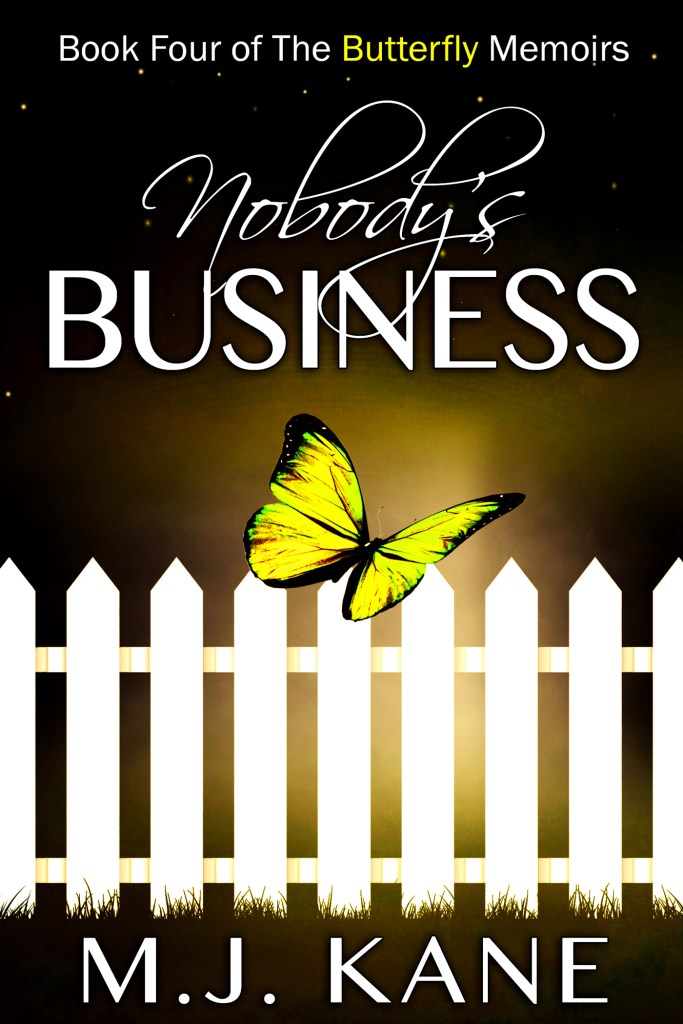
Nobody’s Business by M.J. Kane
This story took me through a full emotional arc — from frustration to heartache to resolution. The characters’ flaws and vulnerabilities are so real that it’s easy to get emotionally invested. I felt the weight of misunderstandings, the spark of reconciliation, and the hope that love could overcome the past.
Writing Quality
The writing itself has to hold up. I don’t expect perfection, but I do expect professionalism.
- Minimal grammar and spelling issues
- Polished sentence structure
- Natural, purposeful dialogue
Here are a few titles that delivered strong writing across the board:
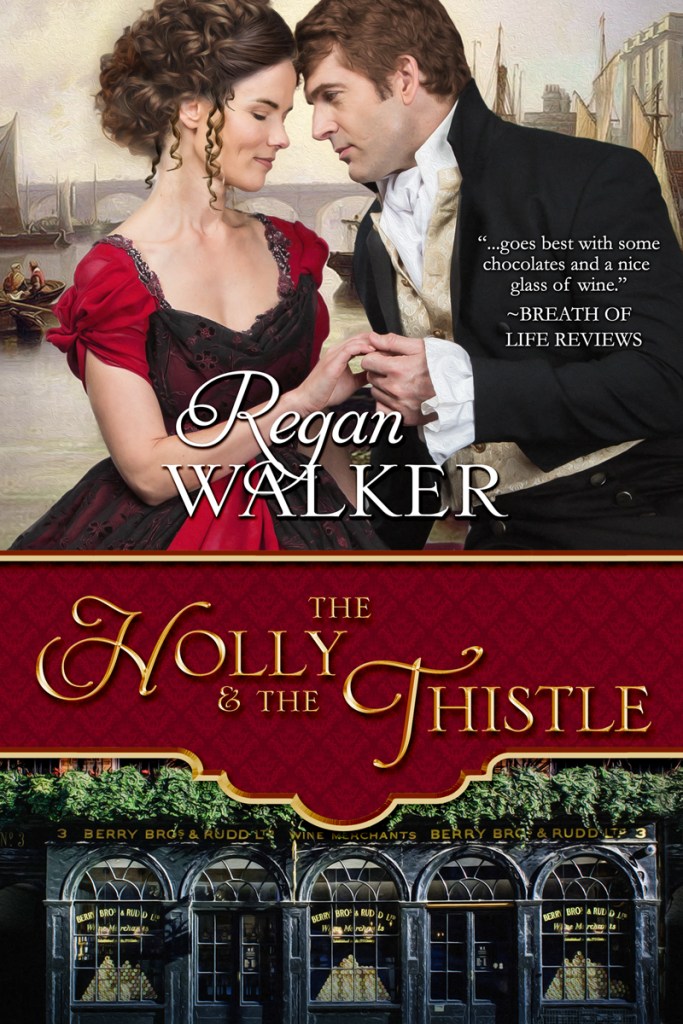


- Holly & The Thistle by Regan Walker
Regan Walker’s storytelling is elegant and precise, perfectly suited for historical fiction. The grammar and structure are spot-on, and the language feels appropriate to the time period without being stiff. Dialogue feels refined yet authentic — adding to the immersive quality of the setting. - Cutlass by Ashley Nixon
Nixon’s writing is clean, fast-paced, and fluid. The sentence structure supports the adventurous tone, and the dialogue feels natural for the characters — snappy, clever, and age-appropriate for YA. There’s a confidence to the narrative voice that makes the story easy to follow and enjoyable to read. - Annihilation by Michael Bosland
In a genre where writing can sometimes get bogged down by technical language, Annihilation stands out for being both clear and evocative. Bosland keeps the storytelling tight while still delivering impact. The dialogue in particular strikes a strong balance between character development and plot momentum.
Structure, Flow & Pacing
The story should feel intentional from beginning to end. Pacing doesn’t have to be fast, but it should make sense for the story being told.
- Consistent pacing or intentional shifts
- Clear structure (chapters, timeline, POV)
- No plot holes or confusing transitions
These books stood out for their solid structure and well-controlled flow:


- Life After the Undead by Pembroke Sinclair
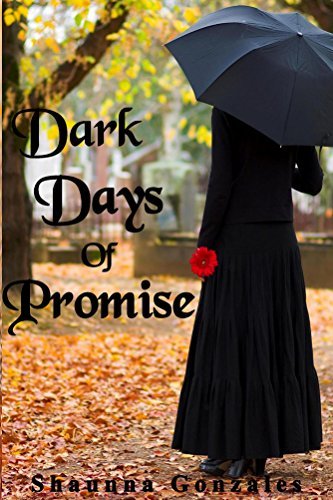
The pacing in this post-apocalyptic novel is impressively steady — action scenes move quickly, but never feel rushed, and quieter moments are well-placed for reflection and tension. The structure balances worldbuilding with character development, giving the reader space to absorb what’s happening without getting overwhelmed. - Dark Days of Promise by Shaunna Gonzales
This story uses a gentle, emotionally focused pace that works well with its themes of loss and renewal. The timeline is straightforward, with a clear sense of emotional progression. Nothing felt rushed or out of place — and that kind of consistency is exactly what I value in a slower-paced read. - A Curious Beginning by Deanna Raybourn
Raybourn balances a strong central mystery with vivid character exploration, and the pacing reflects that. The chapters are smartly structured, alternating between action, deduction, and character banter in a way that keeps momentum while deepening relationships. Shifts in tone or pace are intentional and never jarring.
Character Arcs & Relationships
Characters should grow, struggle, change — or at least feel real enough that I believe in their journey.
- Development over the course of the book
- Distinct personalities and voices
- Meaningful relationships (friendships, romances, rivalries, etc.)
These books stood out for the strength of their character arcs and interpersonal dynamics:
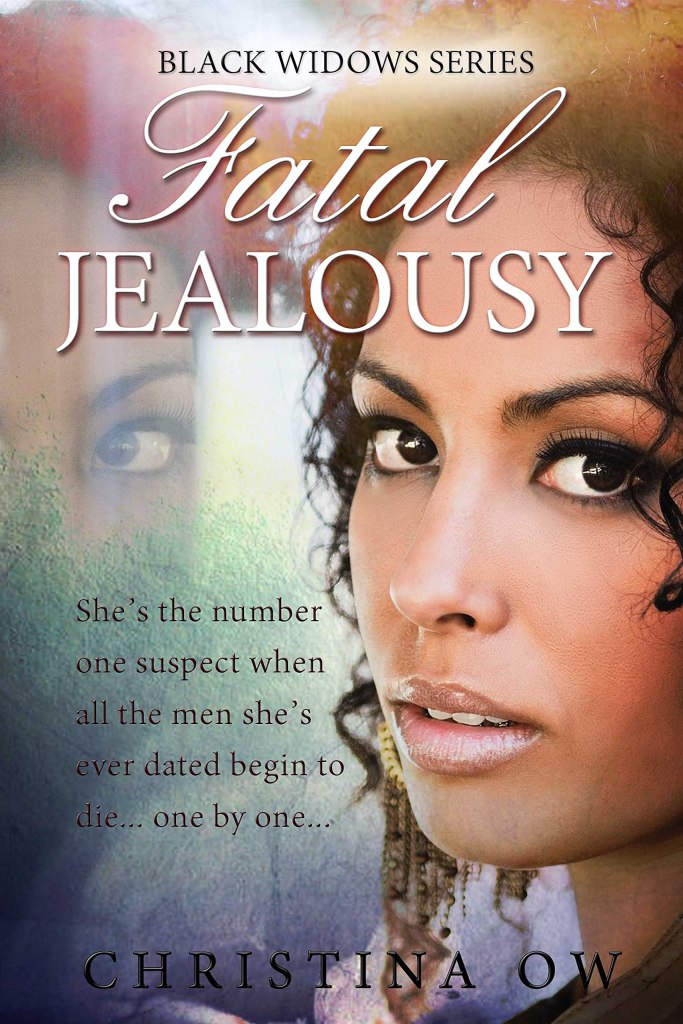


- Fatal Jealousy by Christina OW
This story explores betrayal, obsession, and the destructive force of unchecked emotion. The characters undergo intense emotional shifts, and their relationships evolve (or unravel) in ways that feel organic, not forced. The emotional weight of their choices is felt throughout, making their journeys both dramatic and believable. - Serpent Priestess of the Annunaki by Katrina Sisowath
The protagonist’s transformation from uncertain priestess to empowered figure is layered and compelling. Sisowath gives each major character a strong, distinct voice — and the political, spiritual, and romantic relationships are richly developed. The evolution of power dynamics, particularly between the priestess and the gods, adds depth to every interaction. - Siren by Jennifer Melzer
Melzer crafts characters who are raw, vulnerable, and beautifully flawed. Over the course of the novel, the lead character undergoes real, emotional growth as she grapples with identity, control, and self-worth. The romantic and magical relationships are built slowly and meaningfully, giving the emotional stakes a genuine punch.
Relevance & Impact
Lastly, a 5-star book tends to linger. It has relevance — maybe socially, emotionally, or philosophically — and it leaves me thinking.
- Ties to real-world experiences or themes
- Reflects on something bigger than just the plot
- Leaves a lasting impression
These stories each left a meaningful impression:
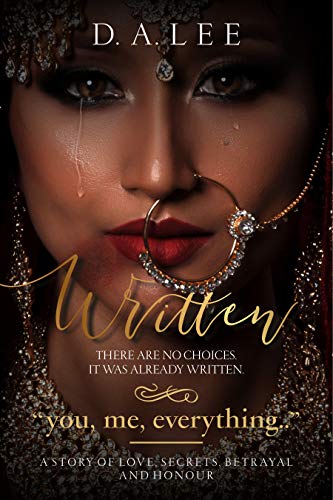

- Written by D.A. Lee
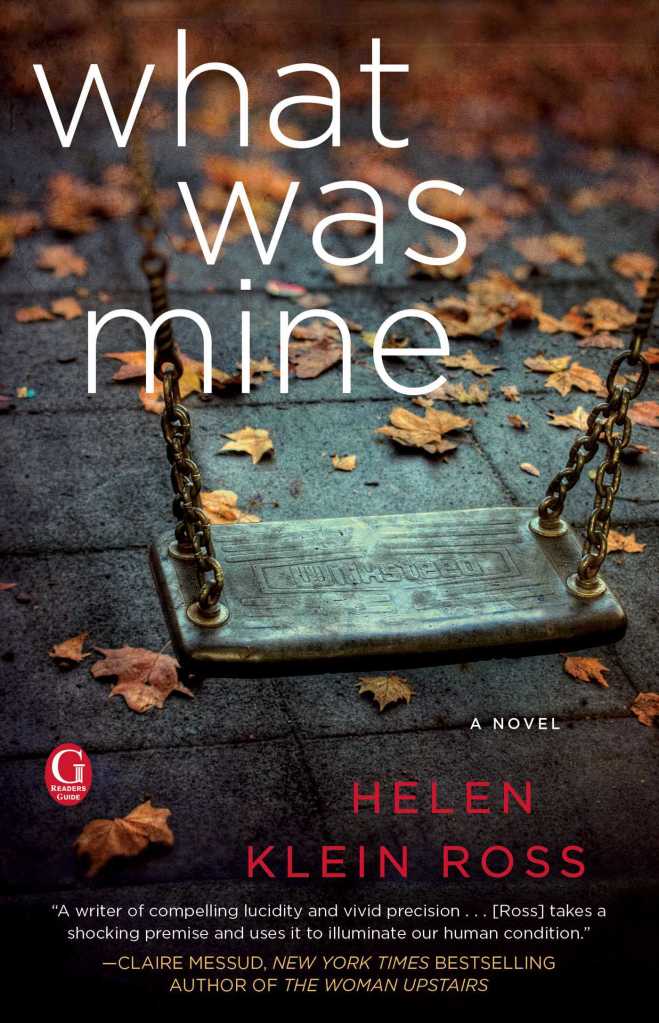
This novel reflects on grief, fate, and how much of our life story is truly ours to control. Through a unique narrative lens, it explores the emotional weight of regret and second chances. It’s a deeply introspective book that invites the reader to think about personal agency and how we write — or rewrite — our own lives. - What Was Mine by Helen Klein Ross
Centered around a stolen child and the families impacted by that event, this book dives into themes of identity, morality, and the long-term consequences of impossible choices. It’s not just about what happens — it’s about what it means, making it both emotionally powerful and socially relevant. - The Smallest Thing by Lisa Manterfield
Inspired by real events but written through a contemporary lens, this book explores themes of quarantine, responsibility, and what it means to choose freedom over fear — or vice versa. The emotional fallout and internal reckoning the characters face mirror the complexity of real-world crises in a way that hits deeply.
Final Thoughts:
When all of these elements line up — creative premise, strong writing, real emotion, thoughtful pacing, and characters I care about — that’s when I know I’m holding a 5-star book.


 Turning Another Page
Leave a comment